Connected Cars and V2X Communication
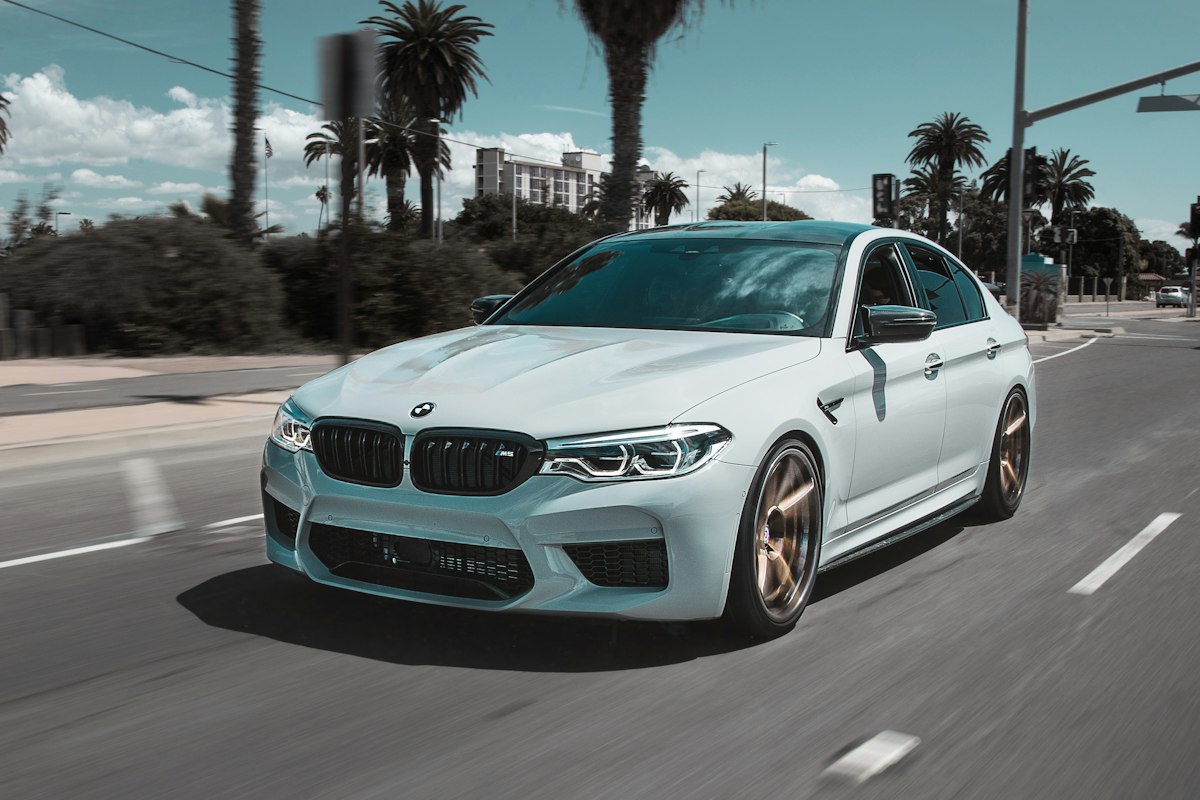
The future of road safety isn't just about individual vehicles being smart—it's about vehicles talking to each other and to the infrastructure around them. V2X (Vehicle-to-Everything) communication is creating an interconnected transportation ecosystem where information flows seamlessly between cars, roads, and cities.
What is V2X?
V2V (Vehicle-to-Vehicle)
Cars sharing position, speed, and direction with each other
V2I (Vehicle-to-Infrastructure)
Communication with traffic lights, signs, and road sensors
V2P (Vehicle-to-Pedestrian)
Detection of pedestrians and cyclists via smartphones
V2N (Vehicle-to-Network)
Connection to cloud services for real-time traffic data
Real-World Applications
V2X technology is already being deployed in cities around the world:
- Emergency Vehicle Preemption: Traffic lights turn green as emergency vehicles approach
- Intersection Safety: Warnings when another vehicle is about to run a red light
- Traffic Flow Optimization: Coordinated timing reduces congestion and emissions
- Hazard Warnings: Early notification of accidents, construction, or adverse weather
The Technology Behind V2X
Two main communication technologies power V2X: Dedicated Short-Range Communications (DSRC), based on Wi-Fi technology, and Cellular V2X (C-V2X), which leverages 5G networks. C-V2X is emerging as the global standard due to its superior range, reliability, and integration with cellular networks.
Looking Ahead
By 2030, V2X will be standard in most new vehicles, creating a harmonized transportation network where accidents are predicted before they occur and traffic flows with unprecedented efficiency.